 Hardiness with Dr Paul Taylor
The Hidden Impact of Stress and Environmental Toxins on Your Hormones and Aging
In this episode, Dr. Mike Fortunato shares how hormonal dysfunction fuels everything from low energy and poor mood to physical decline and disease, revealing the hidden forces behind the modern health crisis. You’ll discover how chronic stress, toxic chemicals, and ultra-processed foods are silently hijacking your hormones, driving declines in testosterone, estrogen, thyroid function, and more. Mike breaks down the complex web of endocrine disruption and epigenetic inheritance, exposing how societal factors and environmental toxins are passing on damage to future generations. Get crucial insights into why conventional medicine often "misses the signs" and how a holistic, functional approach can restore vitality at any age. We break down specific strategies for men and women to rebalance hormones naturally covering bioidentical hormones, the importance of optimal vitamin D, the role of precursors like DHEA, and the power of peptides.
Key Takeaways
“Normal” labs can still mean dysfunction: Lab ranges often reflect an average population that is already unhealthy, so “normal” doesn’t always mean optimal. Stress, sleep loss, and toxins all suppress hormones: Chronic stress, poor sleep, ultra-processed food, and endocrine disruptors can all push hormones out of balance. Hormone health affects far more than energy: Hormones influence mood, motivation, weight, libido, brain health, cardiovascular risk, and disease prevention. Bioidentical hormones are not the same as synthetic ones: Bioidentical hormones behave differently in the body and are a major reason some older HRT fears need rethinking. Men and women need a whole-system approach: Thyroid, testosterone, progesterone, estrogen, DHEA, and vitamin D all interact, so treatment should look at the full picture. Symptoms matter more than a single lab number: The most effective treatment approach described is symptom-driven, not just based on whether a result falls inside a reference range.
Time Stamps
05:26 Mike’s personal hormone health crash and why “normal labs” can miss real dysfunction 10:48 How stress, sleep, diet, and endocrine disruptors damage hormones 18:15 Epigenetics, inheritance, and how hormones affect mood, motivation, and weight 24:37 Why HRT has been misunderstood and the difference between sick care vs proactive care 27:47 Bioidentical vs synthetic hormones and why that distinction matters 30:47 Women’s hormone health, PCOS, progesterone, estrogen, testosterone, and insulin resistance 38:39 Metabolic dysfunction, menopause, and the role of oral hormone replacement 45:58 Estrogen, cardiovascular protection, men’s hormone decline, and falling sperm counts 52:28 Why symptoms matter more than lab ranges and how free vs bound testosterone works 59:46 Practical hormone replacement approach: testosterone, DHEA, thyroid, vitamin D 66:41 Growth hormone and why it matters for aging, bone, muscle, and cognition 68:51 Peptides, longevity medicine, and the future of preventative care
Resources - www.optimizemd.health
Instagram -@optimzemd.drmike
Facebook - Optimizemd.Drmike
Support the Podcast
If you found this conversation valuable, consider subscribing and leaving a review on your preferred podcast platform. Your feedback helps us continue to bring you insightful discussions on important health topics.
In 1 playlist(s)
Hardiness with Dr Paul Taylor
Host Dr Paul Taylor, a Psychophysiologist, Neuroscientist, Exercise Scientist, and Nutritionist inte…Social links
Follow podcast
Recent clips
The Best Stressed-Out Mum I Can Be With Carly Taylor
06:10
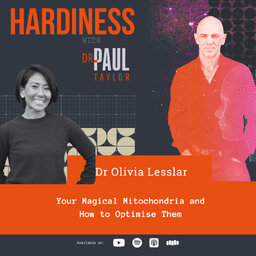
Your Magical Mitochondria - and How to Optimise Them, with Dr Olivia Lesslar
58:50
The Alcohol & Health Story Isn’t as Simple as You Think: Wisdom Wednesdays
22:01