 Hardiness with Dr Paul Taylor
In this fascinating episode, discover the science behind sleep’s alchemy: how your brain’s lymphatic system flushes out metabolic waste, and why missing just two hours of deep sleep can increase your risk of Alzheimer’s by up to 50%. We break down the impact of caffeine, alcohol, and sleep medications on healing cycles, revealing why many sleep aids are more harmful than helpful. Learn why maintaining a consistent sleep schedule, avoiding blue light, and creating a sleep sanctuary can save your brain and extend your life. Most people underestimate how sleep impacts every aspect of their health and miss the simple shift that can prevent neurodegeneration, boost performance, and transform wellbeing. If you think sleep is just rest, think again: it’s the brain’s nightly cleaning service, crucial for clearing toxins like beta amyloids linked to dementia and Alzheimer’s. Dr. Jemma King shares why deep slow wave sleep is a biological masterpiece and how lifestyle choices sabotage it, accelerating aging and disease.
Key Takeaways
- Sleep is a brain detox powerhouse
Deep slow-wave sleep helps clear waste like beta amyloids, which are linked to dementia and Alzheimer’s. - Sleep quality matters more than just hours
The order of sleep stages matters for memory, mood, learning, and physical recovery. - Consistency is crucial
A regular sleep schedule supports your circadian rhythm and improves long-term brain and body health. - Caffeine can mask fatigue, not fix it
It blocks sleep pressure, which can hurt sleep quality if timed too late in the day. - Alcohol and sleep meds can disrupt recovery
They may make you sleepy, but they interfere with the restorative parts of sleep. - Deep sleep happens early
Getting to bed on time helps you get the most valuable brain-repair sleep first. - Sleep is a longevity tool
Better sleep supports clearer thinking, better performance, and healthier aging.
Time Stamps
02:50 Understanding Stress and Emotional Intelligence
06:13 The Science of Sleep: Importance and Mechanisms
09:08 Deep Sleep and Its Critical Role
11:57 The Impact of Sleep on Mental Health
15:13 The Role of REM Sleep in Emotional Processing
18:01 Effects of Alcohol and Other Substances on Sleep
20:53 The Stages of Sleep and Their Functions
24:13 Short-term vs. Long-term Sleep Deprivation Effects
27:02 Chronic Sleep Debt and Its Health Consequences
32:15 The Impact of Sleep on Health
36:08 Understanding Sleep Needs Across Lifespan
40:52 Practical Sleep Aids and Tips
49:28 The Role of Diet and Lifestyle in Sleep
57:00 Napping: Benefits and Best Practices
01:00:18 Cognitive Strategies for Insomnia
Resources
Dr Jemma King’s Book: Sleep First: Sleep Smarter, Think Sharper, Feel Better
Website: https://jemmakingbio-pa.com.au/
LinkedIn: https://www.linkedin.com/in/dr-jemma-king-phd-76013328/
Instagram: https://www.instagram.com/dr.jemma.king/
In 1 playlist(s)
Hardiness with Dr Paul Taylor
Host Dr Paul Taylor, a Psychophysiologist, Neuroscientist, Exercise Scientist, and Nutritionist inte…Social links
Follow podcast
Recent clips
The Best Stressed-Out Mum I Can Be With Carly Taylor
06:10
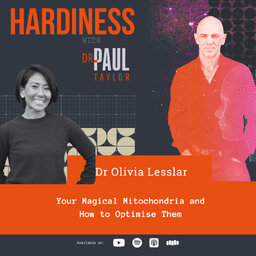
Your Magical Mitochondria - and How to Optimise Them, with Dr Olivia Lesslar
58:50
The Alcohol & Health Story Isn’t as Simple as You Think: Wisdom Wednesdays
22:01