 The Morning Show
Money Matters Interview - Helen du Toit, Head of Forensics at Sanlam Life and Savings
Leigh-Anne Williams
Leigh-Anne hosts the The Morning Show, Monday to Friday on Good Hope FMScammers are getting smarter, and sometimes the biggest red flag is the fact that the message, phone call or email looks completely legitimate.
It could appear to come from your bank, SARS, a delivery company, your employer or even someone you know. These scams rely on impersonation and social engineering to make you trust the person on the other side before they ask for your money or personal information. SAPS warns that phishing and fraud scams commonly impersonate trusted organisations to obtain sensitive information.
And with Cybersecurity Awareness Month putting the spotlight on staying safe online, we’re asking: How do you spot the scam before it costs you?
In 1 playlist(s)

The Morning Show
The Morning Show is all about bringing you the latest and the greatest in entertainment, information…Social links
Recent clips

Topic 01 Oct - International Coffee Day
10:18

Topic 29 Sept - Nicknames you were given
09:06
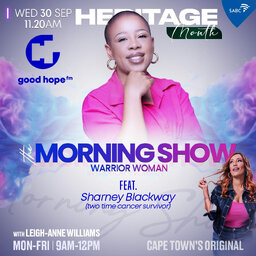
Warrior Woman Interview with Sharney Blackway - Two Time Cancer Survivor
12:00