 The iHeart SoCal Show
The iHeart SoCal Show
iHeartRadio hosts Lisa Foxx and EJ interview a variety of charities and non-profits every Sunday. The show airs on 7 iHeart stations: KOST 103.5 - 6:0…As we know...it's summer! And its been HOT especially in California! Do you protect your skin?? Melanoma is a serious, aggressive form of skin cancer. According to the Melanoma Research Foundation (MRF), it is primarily triggered by DNA damage from ultraviolet (UV) radiation—such as natural sunlight and indoor tanning—but it can also develop in areas NOT exposed to the sun.
The Melanoma Research Foundation is celebrating 30 years of their mission to eradicate melanoma by accelerating medical research, while educating and advocating for the those who get diagnosed. melanoma.org is their website for more.
Aired July 26, 2026: In this podcast, Lisa Foxx talks to James Merrick Chief Communications and Marketing Officer of MRF...and he answers THESE burning questions...
What is it? Who gets it? What does it look like? Are there different types? What are the signs something is wrong? Is it hereditary? What happens once diagnosed? What treatments/medications do we have to treat it? What does MRF do year round to fight this and support those who get diagnosed? How can we PREVENT it? Is sunscreen and floppy hats, long sleeves enough? Dermo ?How do we support those who have it? Let's talk events, fundraisers and of course the Miles 4 Melanoma with walks all over the country and a few still coming up here in California...It develops in melanocytes (the cells that produce melanin). areas like the eyes, mucous membranes, and under nails.
The MRF highlights several critical aspects of melanoma:
- Detection: While up to 93% of melanomas are linked to UV exposure, 70% to 80% arise on normal-looking skin rather than existing moles. Early detection is vital, as the disease can rapidly spread to distant organs if left untreated.
- Rare Subtypes: Melanoma can occur in places that never see the sun. Mucosal melanoma and ocular melanoma (eye melanoma) are distinct, rare forms that require specialized treatment.
- Skin of Color: Although melanoma is less common in people of color, it is often diagnosed at much later, more dangerous stages. It frequently presents in non-sun-exposed areas like the palms of the hands, soles of the feet, or under nail beds (acral lentiginous melanoma).
- Prevention & Advocacy: The MRF advocates heavily against indoor tanning—which increases melanoma risk eightfold—and promotes sun-safety practices like using broad-spectrum sunscreen
Melanoma is the most dangerous type of skin cancer. It develops in the melanocytes—the cells that produce melanin, the pigment responsible for skin, hair, and eye color. While less common than other skin cancers, it is much more likely to spread (metastasize) to other organs if not detected and treated early.
What Causes It? The primary cause of melanoma is DNA damage to the skin cells, primarily resulting from ultraviolet (UV) radiation from sunlight and tanning beds. While it usually appears on sun-exposed areas like the face, legs, and back, it can also develop in unexposed parts of the body, such as the eyes, soles of the feet, or under the nails.
Risk Factors: Anyone can get melanoma, but you are at a higher risk if you have fair skin, a history of intense or blistering sunburns, a family history of the disease, or a large number of moles.
Prevention and Treatment: You can reduce your risk by practicing sun safety, such as applying broad-spectrum sunscreen, wearing protective clothing, and avoiding tanning beds. If caught and treated in its earliest stages, the survival rate is extremely high. Treatments vary based on how far the cancer has progressed, but can include surgery, immunotherapy, targeted therapy, and radiation.
Find out more here AND get more about their Miles for Melanoma walks: https://melanoma.org/
In 1 playlist(s)

The iHeart SoCal Show
iHeartRadio hosts Lisa Foxx and EJ interview a variety of charities and non-profits every Sunday. Th…Social links
Follow podcast
Recent clips
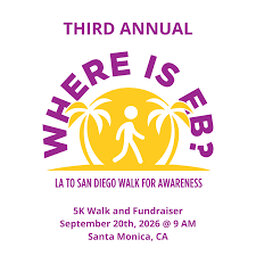
Join Us For the 3rd Annual Where Is EB To Help Those Suffering From PH & PAH
30:29
Talking Mental Health Help And Suicide Prevention with Didi Hirsch Mental Health Services
20:09

LA Strong Foundation Helping Kids In Need Get Back to School
30:00