 The Heart and Hustle of Portugal
Emerging from Coimbra in the 1990s with Tedio Boys, Paulo Furtado’s early career was marked by confrontation, underground momentum and a rapid leap to international stages, including tours in the United States. The shift to a one‑man band came after the exhaustion of group dynamics and a deep attraction to the raw energy of Delta blues and punk. What began almost by accident evolved into an obsessive pursuit of sound, performance and total artistic control, with albums recorded live and a stage presence that carried both risk and solitude. Over time, that intensity softened: Tigerman expanded into collaborations, filmmaking and soundtracks, embracing a broader creative universe while maintaining autonomy over his work.
Fatherhood has recently introduced a new recalibration. Once convinced that art had to be the central force in an artist’s life, Paulo Furtado now acknowledges a different hierarchy, learning to balance creation with care, urgency with presence. The spark, he insists, remains the same — the need to make something new — but it now exists alongside a quieter clarity. Art, he says, saved his life. Today, it continues to shape it, just no longer alone.
In 1 playlist(s)
The Heart and Hustle of Portugal
Each week, join Tony Gonçalves—a U.S.-based Portuguese immigrant and successful media executive—as h…Social links
Follow podcast
Recent clips

“Losing one-zero”: Nuno Sousa on running a restaurant like a soccer match
50:59

Rerelease: Bankrol Hayden on making a hit on his death bed
27:12
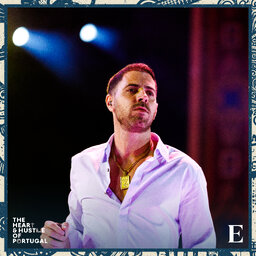
Rerelease: Richie Campbell finally addresses the elephant in the room
38:11