 MID-WEST FARM REPORT - MADISON
Three Wisconsin counties have been the first to detect tar spot in corn fields. Pam Jahnke gets the latest update from Dr. Damon Smith, UW-Extension Plant Pathologist. Smith says the plant symptoms we're seeing today started with injury and infection weeks ago. Smith says the current hot and dry weather in Wisconsin has successfully lowered the risk of major crop diseases, providing a "saving grace" after a wet, mild June that initially raised concerns about disease potential. Current infections resulted from favorable conditions three to four weeks ago. Smith says disease pressure will likely increase if rainfall returns, creating a "race" to mature the corn crop before the disease compromises it. He says advancements in hybrid genetics are providing "partial resistance," which helps by creating smaller spots and slowing down secondary infection cycles, allowing the crop more time to reach maturity. Smith is also keeping an eye on the potential for white mold in Wisconsin soybeans. He says, again, the risk for white mold has dropped significantly due to the hot, dry weather. He does not though that irrigated fields continue to face a different risk profile and should still be monitored carefully.
We get a break from some of the heat today according to Stu Muck. That will give folks in the Fox Valley a chance to clean up after a tornado rumbled through Menasha. Rainfall reporters said they received anywhere from 1.5" of rain to literally nothing in the whirlwind weather activity that crossed the state.
Did you ever wonder if that farm equipment you bought a decade ago is worth what you paid? Ashly Huhn from the Steffest Group did a little research. He looked at 3 pieces of popular farm equipment and found out that the equipment's maintenance matters. Huhn says if equipment has been maintained and cared for, many sellers recoup almost 80% of their investment in some cases. Paid for by Steffes Group.
Troy Runge has assumed a new leadership role on the UW-Madison campus as the interim dean of the College of Agriculture and Life Sciences. Dean and Director Glenda Gillaspy announced that she will move into a new role serving as the university’s director of the Wisconsin Rural Partnerships Institute.
Hello Mexican cattle! USDA has announced it will allow Mexican cattle back into the United States despite ongoing concerns over New World Screwworm. John Heinberg, market advisor with Total Farm Marketing in West Bend says this sent the cattle market into a tailspin. He notes that this sell off has been building. He also says rain that moved across Nebraska overnight has taken a lot of the weather premium out of the grain trade.
In 1 playlist(s)

MID-WEST FARM REPORT - MADISON
Daily audio and podcasts from the Mid-West Farm Report Madison!Social links
Follow podcast
Recent clips
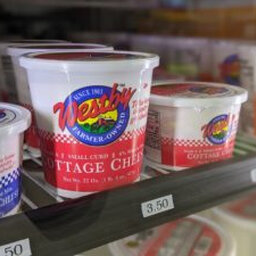
Rural Investment Fuels Growth at Wisconsin’s Only Cottage Cheese Producer
10:52

Specialty Crop Growers Can Apply For Relief Dollars
07:30

John Rich Of Big N Rich Now USDA Envoy Plus Yingling Leaving State Fair Board
49:59