 MID-WEST FARM REPORT - MADISON
Gardeners are now ready to proceed with all the plans they've been making for 2026. When they start, questions are likely to follow. Kiley Allan finds out what common questions are from Lisa Johnson, Horticulture Educator with Dane County Extension Service. Due to climate change and unpredictable weather, gardeners should use a soil thermometer rather than specific dates to decide when to plant. Planting too early in cold soil can cause seeds and tubers to rot. Johnson says for early crops like peas and potatoes, mid-April is a general starting point in southern Wisconsin, provided the soil is warm enough. For warm-weather crops like tomatoes and peppers, wait until after May 20th and ensure soil is at least 60°F and nighttime air stays above 50°F.
Unfortunatley there's another swath of wet weather moving toward Wisconsin. Stu Muck, ag meterologist, says western Wisconsin could pick up more than an inch of rain after a warm Thursday passes.
Wisconsin potatoes are being featured at Walmart thanks to their "Healthy Grown" label. Andy Dierks, fourth generation potato farmer in Coloma tells Stephanie Hoff how it happened. Healthy Grown is now officially recognized by Walmart, meaning Wisconsin potato shippers who are certified automatically meet the retailer’s rigorous sustainability requirements. Members receive direct, one-on-one consulting with UW specialists to review herbicide and fungicide programs, helping manage resistance and environmental impacts. The program provides a unique safety net for navigating the Endangered Species Act, helping growers determine specific mitigation points and product choices for their specific acreage. Even farms without traditional "wild" land like streams or hunting grounds can qualify for ecosystem service credits through pollinator plantings and tailored conservation efforts. With a 30-year history, the program is successfully transitioning from Integrated Pest Management (IPM) to Regenerative Agriculture to meet the shifting demands of the global food industry.
Sam Moheban, immigration specialist with Ruder Ware law firm in Wausau tells Pam Jahnke that there's some new direction he's seeing immigration reform. Moheban calls it "whole of government" approach. Now the federal government is focusing on enforcement of I-9 paperwork used by every employer in the United States to attest that employees can legally be employed. He says new guidelines allow federal officials to service notice of inspection via certified mail or personal service. No raids - just paperwork and potential fines.
How many businesses do you work with that have been around for 50 years? In Wisconsin we talk a lot about generational farms, but what about the generational businesses that are part of the fabric that make agriculture's success. Cory Berg is the president and CEO of QLF. Quality Liquid Feeds, headquartered in Dodgeville, will be celebrating its 50th anniversary next year. Berg tells Pam Jahnke about how his father sacrificed to start QLF. Today, although the company has a national footprint, it stays committed to keeping its headquarters in Dodgeville. Today, QLF is responsbile for buying around 70% of all the molasses produced in the state of Louisianna. That's supporting more than just Wisconsin farms.
In 1 playlist(s)

MID-WEST FARM REPORT - MADISON
Daily audio and podcasts from the Mid-West Farm Report Madison!Social links
Follow podcast
Recent clips

Schools Struggle To Keep Whole Milk Stocked
05:45
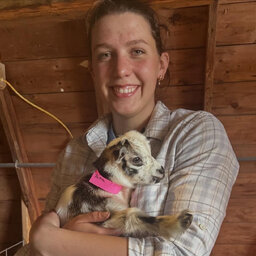
Springtime In The Barn
07:10

Safely Sharing The Roads
15:59