 The Clay Travis and Buck Sexton Show
Hour 1 of the Clay Travis and Buck Sexton Show podcast opens the week with Buck Sexton hosting solo, emphasizing that this is Hour 1 of the program, and delivering a wide-ranging discussion that blends U.S.–Iran foreign policy, domestic politics, crime policy debates, media bias, cultural commentary, and Father’s Day reflections, all framed with strong SEO themes such as Middle East tensions, progressive politics, criminal justice reform, cultural identity, and U.S. elections.
A central topic in Hour 1 is the latest developments in U.S.–Iran negotiations and Middle East geopolitics, with Buck highlighting ongoing discussions around the Strait of Hormuz, nuclear inspections, and regional security dynamics involving Iran, Israel, and Hezbollah. He frames these developments as critical not only for global energy markets and national security, but also for their potential impact on the U.S. political landscape and upcoming elections, noting that foreign policy outcomes often influence domestic sentiment.
The hour also introduces broader global political developments, including commentary on United Kingdom leadership instability, specifically the resignation of Prime Minister Keir Starmer, which Buck characterizes as an example of policy failure and governance challenges in Western democracies. This segment ties into a larger theme of comparative politics, drawing parallels between U.S. and international leadership trends.
A significant cultural discussion in Hour 1 of the show centers on Father’s Day and shifting cultural narratives around fatherhood, with Buck reflecting on the importance of celebrating fathers and expressing concern over what he views as diminishing recognition of traditional parental roles. He criticizes a New York Times editorial as an example of broader cultural tension, arguing that gender identity debates are increasingly influencing mainstream media coverage and public discourse, especially during traditionally celebratory events.
This cultural critique expands into a broader examination of progressive ideology, identity politics, and media influence, with Buck arguing that left-leaning institutions continue to push socially transformative agendas even after political setbacks. He frames these issues as part of ongoing debates over gender identity, cultural norms, and societal values, emphasizing that ideological conflicts remain active despite changing political power dynamics.
Another major topic in Hour 1 is crime policy and public safety, particularly focused on Chicago, where Buck highlights ongoing concerns about violent crime rates and urban safety challenges. He contrasts what he describes as persistent crime issues with the policy priorities of local leadership, criticizing initiatives that focus on niche concerns—such as anti-trans violence—rather than broader efforts to reduce overall violence. This segment taps into SEO themes like urban crime, policing policy, and public safety reform.
The discussion then shifts to a controversial Democratic primary race in New York’s 13th Congressional District, where Buck highlights a candidate advocating prison abolition and progressive criminal justice reforms. He analyzes the implications of such policies, particularly the argument against incarceration even for violent offenders, and contrasts this with traditional views on law enforcement, deterrence, and the role of incarceration in public safety.
This leads into a broader debate on criminal justice philosophy, including the effectiveness of incarceration, the deterrent effect of penalties, and criticisms of movements like the
Innocence Project and prison abolition activism. Buck argues that removing dangerous individuals from society is essential for safety, framing the issue within larger discussions about crime prevention, legal systems, and policy effectiveness.
The hour also addresses immigration policy and deportation debates, highlighting controversial statements from political candidates who oppose deportations even for criminal offenders. This segment connects to broader themes of border security, immigration reform, and national sovereignty, emphasizing stark ideological divides in U.S. politics.
Throughout Hour 1 of the program, Buck maintains a focus on what he sees as the persistence of progressive political ideology, arguing that despite electoral losses, these ideas continue to shape policy proposals and political campaigns. He frames this as a key issue to watch heading into future elections, reinforcing themes of political polarization, ideological conflict, and shifting party dynamics.
The hour closes with lighter audience interaction, including listener talkbacks on sports, cultural observations, and personal anecdotes, which help balance the heavier political content and maintain the conversational tone characteristic of the show.
Make sure you never miss a second of the show by subscribing to the Clay Travis & Buck Sexton show podcast wherever you get your podcasts! ihr.fm/3InlkL8
For the latest updates from Clay & Buck, visit our website https://www.clayandbuck.com/
Connect with Clay Travis and Buck Sexton:
FB - https://www.facebook.com/ClayandBuck/
IG - https://www.instagram.com/clayandbuck/
YouTube - https://www.youtube.com/c/clayandbuck
Rumble - https://rumble.com/c/ClayandBuck
TikTok - https://www.tiktok.com/@clayandbuck
In 1 playlist(s)
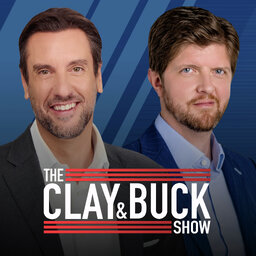
The Clay Travis and Buck Sexton Show
The Clay Travis and Buck Sexton Show. Clay Travis and Buck Sexton tackle the biggest stories in news…Social links
Follow podcast
Recent clips

Daily Review with Clay and Buck - Sep 23 2026
1:02:13

Hour 1 - In Sickness and In Mental Health?
36:54

Hour 2 - Is Kamala Running Again?
36:43