 The 47 Morning Update with Ben Ferguson
1. Shift to Aggressive, “Peace Through Strength” Approach
- Emphasizes proactive and forceful action against threats.
- Promises lethal retaliation against anyone planning harm to Americans.
- Frames the strategy as a return to “common sense” and strong deterrence.
2. Top Priority: Threats Near the U.S. Homeland
- Focus shifts to regional dangers, especially:
- Drug cartels
- Criminal networks in the Western Hemisphere
- Declares intent to “incapacitate” cartels:
- Target drug production, trafficking routes, leadership
- Treat cartels similarly to terrorist organizations
3. Border Security as National Security
- Strong emphasis on tight border control to prevent:
- Criminal entry
- Terrorist infiltration
- Links immigration policy directly to counterterrorism
4. Designation and Expansion of Terrorism Targets
- Focus on destroying major Islamist groups:
- Al-Qaeda
- ISIS and affiliates
- Suggests expanding terrorism labels to groups like:
- Muslim Brotherhood (controversial inclusion)
5. Use of Military Force (“Kinetic Action”)
- Endorses direct military operations and strikes
- Highlights past success against ISIS as a model
- Indicates willingness to act beyond U.S. borders
6. Combating Domestic Extremism (Highly Politicized Element)
- Calls for targeting:
- “Violent left-wing extremist groups”
- Groups described as anti-American, anarchist, or radical
- Claims prior administrations weaponized security agencies politically
- This section blends counterterrorism with domestic political conflict
7. Focus on Weapons of Mass Destruction
- Priority on preventing terrorist access to nuclear/radiological weapons
- Links strategy to confronting:
- Iran and its proxy groups (e.g., Hamas, Hezbollah)
8. Hemispheric Strategy (Western Hemisphere Control)
- Goal: eliminate foreign influence in the Americas
- Highlights:
- Anti-cartel operations
- Maritime drug interdictions
- Notes large claimed reductions in smuggling activity
9. Rebuilding International Partnerships (Selective)
- Plans to:
- Strengthen ties with African nations through security + trade
- Aims to counter influence of:
- China and Russia
- Criticizes previous policies as “neocolonial” or ideological
10. Criticism of Allies (Especially Europe)
- Accuses European countries of:
- Weak borders
- Allowing terrorist networks to operate
- Calls for:
- Stronger security measures
- Reduced immigration
- Greater burden-sharing in NATO
11. Heavy Criticism of Prior U.S. Administrations
- Blames:
- Biden, Obama → for “weakness” and open borders
- Bush → for not confronting Islamic extremism enough
- Presents strategy as correcting long-term bipartisan failures
Please Hit Subscribe to this podcast Right Now. Also Please Subscribe to the The Ben Ferguson Show Podcast and Verdict with Ted Cruz Wherever You get You're Podcasts. And don't forget to follow the show on Social Media so you never miss a moment! Thanks for Listening
In 2 playlist(s)

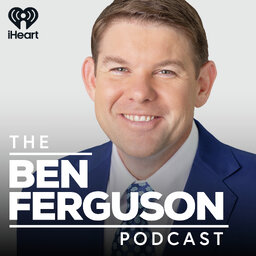
The 47 Morning Update with Ben Ferguson
Hosted by popular national radio host, podcaster and political commentator Ben Ferguson, The 47 Morn…Social links
Follow podcast
Recent clips

DOJ Brings New Fraud Election Cases plus Rubio Boots Iranian Delegation
19:59

Pilot Stabbed, Plane Plunges, Heroes Take Over at 30,000 Feet
16:59

Trump & Vance Plot Senate SAVE Act Showdown plus Big Tech Cost GOP Millions in Fundraising
15:59