 The Science of Skin
The Evolution of Fractionated Lasers: Fraxel, FTX & Clear + Brilliant with Dr. Rishi Chopra
🎧 In this episode of the Science of Skin Podcast, host Dr. Patty Farris sits down with Dr. Rishi Chopra — a Harvard-trained, fellowship-trained cosmetic dermatologist from the Mass General Wellman Center for Photomedicine — for a deep dive into the evolution of fractionated laser resurfacing.
Dr. Chopra breaks down how fractional photothermolysis, first described by Drs. Rox Anderson and Dieter Manstein in 2004, transformed dermatology by moving away from painful, high-downtime ablative resurfacing toward safer, more effective treatments. He walks through the progression from the original Fraxel Restore to the Fraxel Dual and the newly launched Fraxel FTX, explaining the science behind each wavelength (1550nm, 1927nm) and how these advances made treatments more tolerable, more precise, and safer for patients with skin of color.
The conversation also covers a remarkable patient case: a young man with severe acne scarring who saw nearly 100% improvement after six Fraxel FTX treatments — illustrating just how far this technology has come. Dr. Chopra then discusses the Clear + Brilliant Touch, a lower-downtime "lunchtime facial" option that's especially popular with younger patients and serves as both an entry point and a maintenance tool for building long-term patient trust.
Whether you're a dermatology professional refining your device menu or simply curious about the science behind modern laser resurfacing, this episode offers a comprehensive, practical look at how far fractionated laser technology has come — and where it's headed next.
In this episode:
- The history of ablative vs. fractionated laser resurfacing
- Fraxel Restore → Dual → FTX: what changed and why
- Treating acne scars and photoaging safely in skin of color
- A dramatic real-world patient case study
- Clear + Brilliant Touch as a "lunchtime facial" option
- Building patient trust through a tiered treatment approach
This episode is sponsored by Solta Medical. Dr. Chopra has been compensated by Solta Medical for his participation.
Full prescribing and safety information for Fraxel and Clear + Brilliant laser systems is available at www.fraxel.com/HCP and www.clearandbrilliant.com/HCP.
In 1 playlist(s)
The Science of Skin
The Science of Skin is a podcast for those who want to be in-the-know about what's trending in topic…Social links
Follow podcast
Recent clips
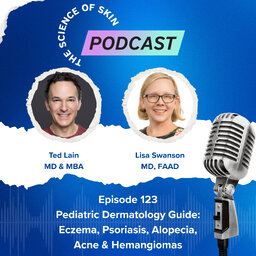
Pediatric Dermatology Guide: Eczema, Psoriasis, Alopecia, Acne & Hemangiomas
34:03
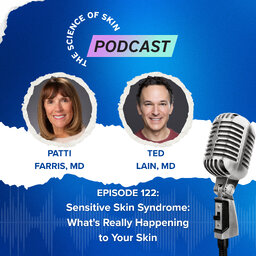
Sensitive Skin Syndrome: What's Really Happening to Your Skin
19:56

Roflumilast Cream for Toddler Eczema, Psoriasis & Seborrheic Dermatitis
21:56