 DBS Economics & Strategy
Kopi Time E113 - World Bank’s S Asia Chief Economist Franziska Ohnsorge on the Region’s Outlook
South Asia has pockets of strong growth (Bangladesh and India), pockets of balance of payments difficulties (Bangladesh, Pakistan, Sri Lanka), and an across the board underwhelming foreign investment picture. Dr. Franziska Ohnsorge, South Asia Chief Economist of the World Bank, ties these multiple threads from her vantage point. We discuss risks and manifestations of currency crisis in parts of South Asia and the assorted fiscal stress points. The region remains characterised by remittance from the diaspora, which tends to create an element of overheating in consumption. The region also collects very low taxes, without which the capacity of spend on growth critical areas remains limited. The rules around fiscal responsibility are also weak by international comparison. We then talk about two matters related to energy transition in South Asia. First is a study on ways to improve firm level productivity through introduction of energy saving practices, and the second is one on the encouraging returns from green jobs. We conclude by talking about the need for the region to become more trade friendly; there is no better way to have a competitive, productive, and upward trending economy.
In 1 playlist(s)
DBS Economics & Strategy
Social links
Follow podcast
Recent clips
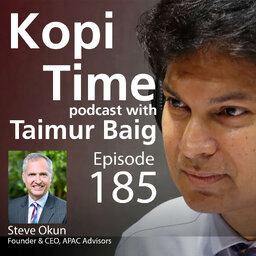
Kopi Time E185 - US Election Outlook with Steve Okun
47:54
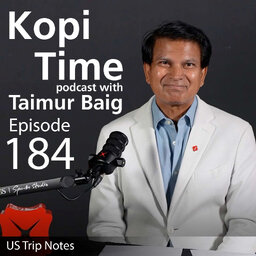
Kopi Time E184 - US Trip Notes
15:34
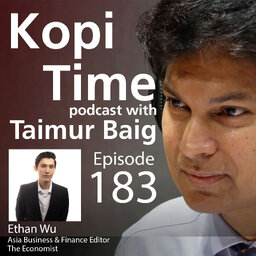
Kopi Time E183 - Regional Outlook with Ethan Wu
1:01:03