 Earth Matters
Across Southeast Asia, there's a familiar tension between economic development and environmental protection. Governments talk about growth, companies talk about investment, while communities often find themselves fighting to protect the forests, rivers and land they've depended on for generations. A new Human Rights Watch report, Grabbed Land, Silenced Justice, looks at what happens when those communities push back. Drawing on more than 50 cases from across Indonesia, it argues that Indigenous leaders and environmental defenders have increasingly found themselves facing criminal investigations and prosecutions after raising concerns about land rights and environmental harm. As Indonesia marks 81 years of independence on the 17th of August 2026, we explore the report, the people at the centre of it, and what lessons it holds for the wider region, with the report’s co-author, Andreas Harsono, who is also a Researcher with Human Rights Watch.
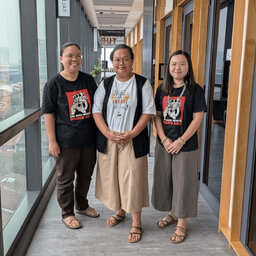
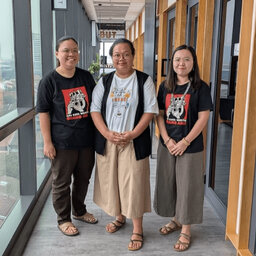
Image Credit: © 2024 Andreas Harsono/Human Rights Watch
In 1 playlist(s)

Earth Matters
Climate change, ferocious weather and ‘the haze’ are now part our everyday lives. How are our lifest…Social links
Follow podcast
Recent clips

Klang River Festival: Protecting Kuala Lumpur’s River
32:35
From The Frontline: Orang Asli Futures (Part 2)
36:41
From The Frontline: Life on Orang Asli Land (Part 1)
32:13