 Caregiver SOS
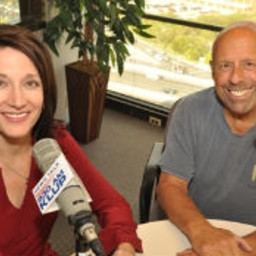
In this episode of Caregiver SOS On Air, hosts Ron Aaron and Carol Zernial welcome internationally renowned intervention scientist, gerontologist, and Drexel University Dean Emerita Dr. Laura Gitlin. Together, they explore how tailored activities can transform dementia care, restore a sense of purpose for individuals living with cognitive decline, and alleviate caregiver stress.
Episode Summary
Dr. Gitlin shares her nearly 40-year journey in gerontology, starting from early observations in nursing homes where residents living with dementia were left inactive and unengaged. Highlighting how family caregivers frequently struggle to find meaningful ways to engage their loved ones, Dr. Gitlin explains the origin and framework of the Tailored Activity Program (TAP).
Rather than relying on one-size-fits-all activities, TAP focuses on identifying a person’s intrinsic interests and modifying tasks to match their current cognitive and physical abilities. The discussion covers practical examples across various stages of dementia, the role of occupational therapists (OTs) and other care providers, and the profound outcomes of tailored activities—from reducing hospitalizations to bringing moments of joy and happiness.
Key Takeaways
-
Matching Interests to Current Capacities: Meaningful engagement requires connecting activities to intrinsic interests while adapting them to current functional levels. For example, a lifelong traveler with limited mobility might enjoy travel videos, color-focused visual programs, or photography books.
-
The Enduring Need for Purpose: The fundamental need for a role, purpose, and identity remains throughout every stage of dementia. Engaging in tailored activities helps satisfy this need regardless of disease progression.
-
Therapeutic Benefits for Caregivers & Recipients: Properly matched activities can reduce challenging behaviors (such as agitation, shadowing, or repetitive questioning), decrease hospitalizations, and lower caregiver burden and depression.
-
Adaptation Across Disease Stages:
-
Early/Moderate Stages: Goal-directed activities like completing a crafted gift box.
-
Severe/Late Stages: Sensory-rich experiences, including tactile materials, calming music, armchair exercises, procedural memory tasks (like holding or playing an instrument), or uplifting videos.
-
-
The Role of Occupational Therapy: While TAP is designed around the expertise of OTs who assess cognitive capacity and environmental factors, elements of the program can be delivered by trained volunteers, nurses, social workers, and family caregivers.
-
Focusing on What Remains: Traditional neurological tests evaluate lost capabilities, whereas TAP identifies remaining strengths to guide communication strategies, adapt environments, and set appropriate expectations.
Key Moments & Highlights
-
Introduction: Hosts Ron Aaron and Carol Zernial introduce Dr. Laura Gitlin and set the stage for discussing engagement in dementia care.
-
Origin of the Work: Dr. Gitlin discusses observing resident inactivity in long-term care facilities and hearing family caregivers ask, "What do I do with my loved one?"
-
Tailoring Activities: Why single solutions (like generic music or crafts) don't work, and how to adapt activities around intrinsic interests.
-
Real-World Connections & "Wowzitude": Host Carol Zernial highlights the Wowzitude Memory Travels program and shares how recognizing a loved one's past professional role can explain and redirect behaviors.
-
Stage-Specific Activity Examples: From goal-directed crafts in early stages to sensory and procedural memory activities in advanced stages.
-
Measuring Success & The Priority of Joy: Shifting focus from standard clinical metrics toward fostering moments of joy, laughter, and personal satisfaction.
-
Delivery & Payment Models: How OTs and other professionals integrate TAP into care plans, along with navigate prescription requirements and Medicare reimbursement considerations in the U.S.
-
Caregiver Realizations & Lasting Impact: How caregivers gain new perspective on their loved one's abilities, featuring a moving story of a caregiver utilizing TAP strategies years later.
About Dr. Gitlin
Laura N. Gitlin, PhD, FGSA, FAAN is internationally and nationally ranked among the top social scientists. She is an intervention scientist, dean emerita, and a distinguished professor in the College of Nursing and Health Professions, Drexel University. She co-founds and is chief scientific officer of Plans4Care, Inc. She is the author/co-author of over 550 scientific publications and seven books. Her recent co-authored, Handbook of Intervention Science: From Design to Implementation (Academic Press), was reviewed as “lifting intervention science to new heights”. She works with numerous proven programs such as COPE, Adult Day Service Plus, Get Busy Get Better and the Tailored Activity Program.
Guest Contact: To learn more about Dr. Laura Gitlin's research and work, email her directly at LNG45@drexel.edu.
Hosts Ron Aaron and Carol Zernial, and their guests talk about Caregiving and how to best cope with the stresses associated with it. Learn about "Caregiver SOS" and the "Teleconnection Hotline" programs.
Caregiver SOS On Air is a presentation of the WellMed Charitable Foundation. For more resources, tips, and past episodes, visit caregiversos.org or email your questions to radio@wellmed.net.
In 1 playlist(s)
Caregiver SOS
Hosts: Ron Aaron and Carol Zernial, and their guests talk about Caregiving and how to best cope with…Social links
Follow podcast
Recent clips
Laughter Through the Tears: Finding Joy in Caregiving & Grief | Keith Price
26:00
Bridging the Gap: Fostering Hope and Purpose Through Intergenerational Caregiving | Caleb Balaraju
26:00
Taking the Stress Out of Saying Goodbye: A Guide to End-of-Life Planning | Richard Tips
26:00