 Beyond the Ballot Box
Beyond the Ballot Box
As they say, democracy doesn't begin and end at the ballot box. On Beyond the Ballot Box, we have in-depth conversations about political economy and …Across Asia-Pacific, women continue to shoulder a disproportionate share of unpaid care work. The situation is becoming increasingly challenging as societies age, birth rates decline, and demand for elderly care grows. These pressures are further compounded by migration, the climate crisis, and rising economic insecurity, all of which are reshaping care needs across the region. The economic implications are significant: the UNDP estimates that recognising the value of women’s unpaid care work could add around US$3.8 trillion to the regional economy.
Spogmay Ahmed is the Deputy Director of the Feminist Foreign Policy Collaborative, a shared space for feminists working across government, civil society and philanthropy to collectively strategize and advance feminist approaches to foreign policy. Recently, they organised a roundtable on: Sustaining Feminist Foreign Policy Through a Shared Care Agenda… with diplomats and civil society from across the world to discuss how governments can build on growing international momentum around care and translate it into coordinated action through multilateral institutions and processes.
In this episode, we speak to Spogmay Ahmed about the link between care and foreign policy.
Image Credit: Shutterstock
In 1 playlist(s)
Beyond the Ballot Box
As they say, democracy doesn't begin and end at the ballot box. On Beyond the Ballot Box, we speak t…Social links
Follow podcast
Recent clips
Does Budget 2027 Address the Needs of Regular Malaysians?
46:02
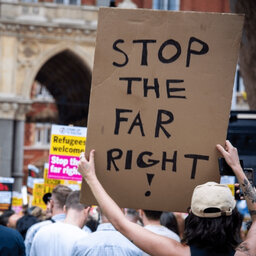
Making Sense of the Rise of Far-Right Movements Globally
48:45
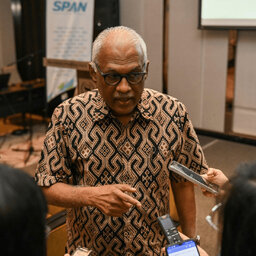
What Do Malaysian Indians Need From Budget 2027?
43:14