 Around The School Table
Episode 37: Dr. Gina Biancarosa - Measuring Reading Growth with DIBELS - Around the School Table by Xuno Suite
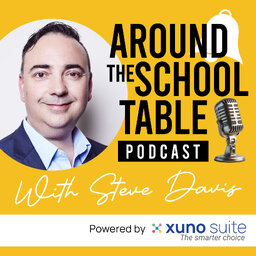
In this episode of Around the School Table, produced by Xuno, host Steve Davis is joined by Dr. Gina Biancarosa, Ann Swindells Chair in Education, Professor in the Department of Special Education and Clinical Sciences, and Director of the Center on Teaching and Learning at the University of Oregon (uoregon.edu), to explore the origins, purpose, and growing impact of DIBELS (Dynamic Indicators of Basic Early Literacy Skills) in schools across Australia and beyond.
Throughout the conversation, Gina explains how DIBELS was developed to help educators identify students who may need additional support with reading. Rather than relying solely on lengthy assessments, DIBELS uses brief, targeted measures that provide valuable insights into a student's literacy development. As a result, teachers can monitor progress more frequently and make informed instructional decisions.
The discussion explores the science behind key DIBELS assessments, including letter naming fluency, phonemic awareness, nonsense word fluency, oral reading fluency, and comprehension measures. Furthermore, Gina explains how each assessment aligns with the research on how children learn to read and develop reading comprehension over time.
Steve and Gina also examine the importance of reading for meaning. While decoding words is essential, comprehension remains the ultimate goal. Consequently, the episode highlights why effective literacy instruction must support both accurate word recognition and deep understanding of text.
In addition, listeners will learn how Australian educators have embraced DIBELS through professional learning communities, including the highly active DIBELS in Oz network. Gina reflects on the collaborative efforts that led to the development of an Australasian version of DIBELS, ensuring greater relevance for Australian and New Zealand students.
The conversation also explores how literacy data can be used responsibly within broader school improvement strategies. While assessment data can guide intervention and goal-setting, Gina emphasises the importance of using DIBELS for its intended purpose rather than as a blunt accountability tool. The discussion also touches on how DIBELS data can be analysed and interpreted within broader school improvement processes using tools such as Student Maps.
Beyond assessment, Gina shares her personal reflections on reading as a lifelong gift. From childhood favourites to supporting readers with vision impairment, she highlights the profound opportunities that literacy creates throughout life.
This episode offers valuable insights for teachers, school leaders, literacy specialists, and education professionals seeking practical ways to support reading growth while maintaining a strong focus on student understanding and success.
Powered by: xuno.com.au
In 3 playlist(s)
Around The School Table
Around the School Table" brings together the many voices shaping primary and secondary education acr…Social links
Follow podcast
Recent clips
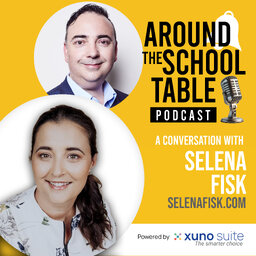
Episode 40: Dr Selena Fisk - Building a Data-Informed School Culture - Around the School Table by Xuno Suite
35:12
Episode 39: Stephanie Doyle, Founder of The Conference Planners - Designing Conferences That Create Lasting Impact - Around the School Table by Xuno Suite
38:08
Episode 38: Paul Matthews - Wise AI and the Future of Human Intelligence - Around the School Table by Xuno Suite
34:24